Army Worm Treatment Central Coast
Army Worm Treatment Central Coast
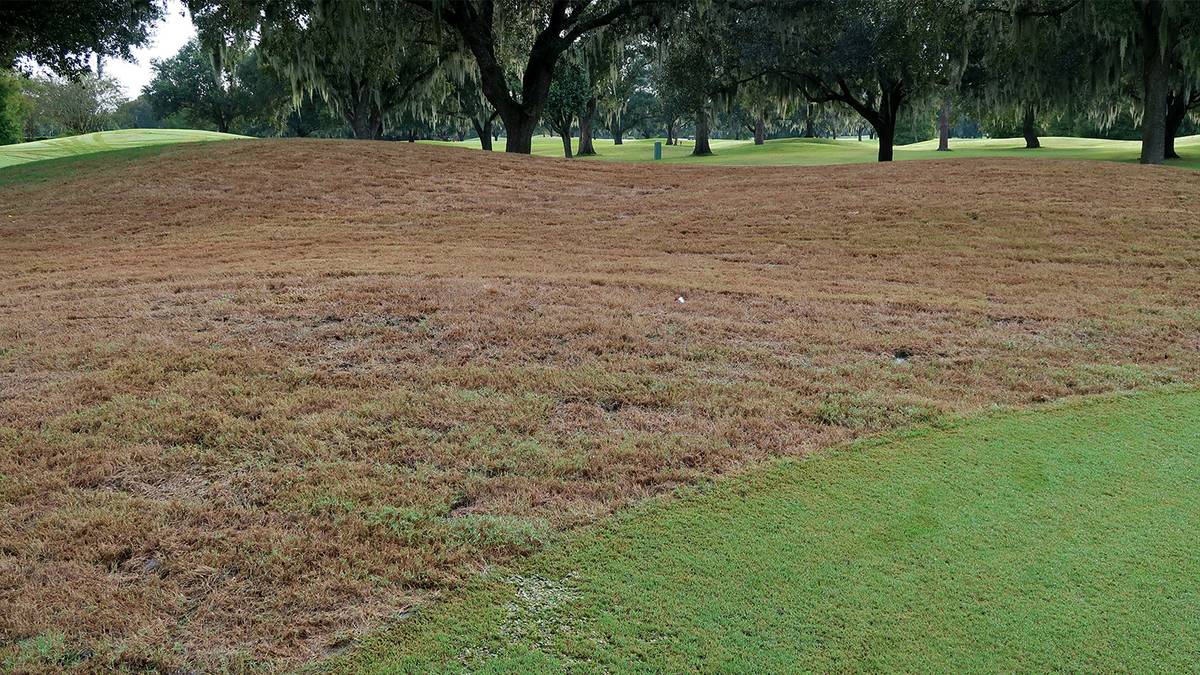
Army worms can cause serious damage to a lawn very quickly. What starts as a few small brown patches can turn into large areas of chewed, thinned-out or completely stripped turf within days if the infestation is active and left untreated.
At MD Lawns & Property, we provide army worm treatment for lawns where grubs or caterpillars are actively feeding on the grass. The goal is to act quickly, stop further damage and give the lawn the best chance of recovering before the infestation spreads further.
Army worms are most commonly noticed when a lawn suddenly starts browning off, thinning out or looking scalped even though it has not been mowed too short. Birds feeding heavily on the lawn can also be a warning sign, as they may be picking at the worms beneath the grass.
Urgent intervention is important. Army worms feed aggressively, especially during active outbreaks, and a healthy-looking lawn can decline rapidly if treatment is delayed. The sooner the problem is identified and treated, the better the chance of avoiding major lawn loss.
If you are unsure whether you have army worms, there is a simple test you can do at home before calling us.
Learn More About Army Worm Treatment & Prevention
Army worms are most active during warmer periods and can spread through a lawn surprisingly quickly. Properties with buffalo, kikuyu and couch grass can all be affected during an outbreak.
Early identification is important because damage is often mistaken for drought stress, fungal issues or poor lawn health. The soapy water test is one of the quickest ways to determine whether army worms may be present.
We provide army worm treatment throughout the Central Coast including San Remo, Blue Haven, Hamlyn Terrace, Woongarrah, Warnervale and Wadalba.
Once the infestation has been controlled, additional lawn care such as fertilising, watering and regular mowing can help encourage faster recovery.
Do I Have Army Worms?
A quick way to check for army worms is to use a simple soapy water test. Fill a cup, bucket or small container with water, add a small amount of dishwashing liquid, then pour it over a suspicious area of the lawn where you are seeing browning, thinning or chewing damage.
Wait around one minute and watch the area closely. If grubs, caterpillars or worms start coming to the surface, take a clear photo and contact us. This helps confirm what is happening and allows us to give better advice before attending.
Army worms are often easier to spot in the early morning, late afternoon or evening when they are more active. If the lawn is rapidly changing colour or damage appears to be spreading, do not wait too long to investigate.
Signs of Army Worm Damage
Army worm damage can sometimes be mistaken for drought stress, disease, mowing damage or a general lawn health issue. The difference is how quickly the damage can spread.
- Sudden brown or straw-coloured patches appearing in the lawn
- Grass blades looking chewed, shredded or stripped
- Birds constantly feeding on the lawn
- Lawn thinning out quickly over a few days
- Worms or grubs appearing after a soapy water test
What’s Included in Our Army Worm Treatment Service
Lawn Assessment
We inspect the lawn and visible damage to assess whether army worms are likely to be the cause.
Army Worm Treatment
Treatment is applied to target active army worms and stop them from continuing to feed on the lawn.
Urgent Response
Army worm damage can move fast, so early treatment is important to reduce the risk of major lawn loss.
Recovery Advice
We explain what to do after treatment to help the lawn recover from damage where possible.
Follow-Up Options
Severe outbreaks may need follow-up monitoring or additional lawn care after the infestation is controlled.
Aftercare Instructions
You’ll be given simple aftercare advice, including when to water, mow and monitor the lawn after treatment.
Why Fast Treatment Matters
Army worms are not a slow lawn problem. They feed on grass blades and can move through a lawn quickly when conditions suit them. In bad cases, homeowners may notice patches getting worse day by day until large sections of turf are damaged.
If treatment is delayed, the lawn may be left thin, brown or bare, and recovery can take much longer. In severe cases, parts of the lawn may need extra care, fertilising, top dressing or regrowth time to fill back in properly.
Fast treatment gives the lawn the best chance of bouncing back. If you suspect army worms, do the soapy water test, take a photo of anything that comes to the surface, and contact us as soon as possible.
Common Grass Types Affected
- Buffalo grass
- Kikuyu grass
- Couch grass
- Other common residential turf varieties
Frequently Asked Questions
How do I test my lawn for army worms?
Fill a cup, bucket or container with water, add a small amount of dishwashing liquid, then pour it onto a damaged area of lawn. Wait around one minute. If grubs, caterpillars or worms come to the surface, take a photo and contact us.
How quickly can army worms damage a lawn?
Army worms can damage lawns very quickly, sometimes over just a few days during an active outbreak. Fast treatment is important to reduce the risk of large areas being stripped or severely thinned.
What does army worm damage look like?
Damage often appears as sudden brown or straw-coloured patches, chewed grass blades, thinning turf, or areas that look like they have been scalped. Birds feeding heavily on the lawn can also be a warning sign.
Can my lawn recover after army worm damage?
Many lawns can recover if the infestation is treated quickly and the grass roots are still healthy. Severe damage may take longer and may need extra care such as watering, fertilising and time for regrowth.
Do you offer prevention as well as treatment?
Yes. We can provide treatment for active infestations and advice on monitoring the lawn for future outbreaks, especially during warmer periods when army worms are more likely to appear.
What Locals Say About MD Lawns & Property
Don’t take our word for it. Have a look at what our clients say about us and our work.
